 Mon-Fri: 8am-5pm | Closed daily for lunch: 11:30am-12:30pm
 (402) 339-6460
 219 E 1st St, Papillion, NE 68046

Summer Tips To Keep Your Car Cool
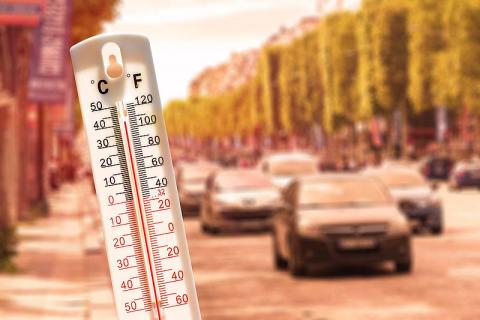
Keeping Your Cool in the Summer Heat
We all love Summer activities, but the Summer heat can take a toll on your vehicle. Exposed to direct sunlight, the interior temperature of a vehicle can be as high as 30 to 50 degrees hotter than the outside ambient air! The law frowns on anyone who leaves a pet or child alone in a locked vehicle, in some cases allowing passers-by the ability to break into a vehicle if a life is in danger. Vehicle interiors will trap hot air, so it’s very important to at the very least crack a window to allow some heat to escape.
Here’s some tips to keep your interior cooler…
- Tinted Windows – Get your windows tinted, with the best quality tint you can afford. To beat the heat, use the ceramic tint material, and have it installed by a qualified professional. Just make sure you know the laws in your state about how dark your windows can be.
- Window Shades – Some manufacturers have shades available for their vehicles; there are also aftermarket shades that you can install yourself. If your vehicle is exposed to extreme heat often, it would be wise to invest in a set of window shades for at least the side windows of your vehicle.
- Park Smart – When you park your vehicle, look at the angle of the sun, and how it will cross your vehicle. Park in such a way that direct sunlight is blocked from entering and falling on the steering wheel or driver’s seat.
- Park In The Shade – This is really the best way to keep the inside of the vehicle cool. Whether it’s a tree, building, parking cover or garage, this is absolutely what you’re looking for!
- Move Your Car -If you can’t park in the shade, you may want to check during the day to see if a spot that has more shade opens up for you. If it does, go for it.
- Ventilate – As mentioned above, your vehicle interior will trap heat. A few windows cracked down just a little bit can let the worst of that heat escape and keep your interior easier to cool when you’re back on the road.
- Cover up - A t-shirt, blanket, even beach towels cover the upholstery and steering wheel can block sunlight and reduce the amount of heat absorbed by interior materials…especially anything BLACK. When shade isn’t available, this is how you make your own.
- Cool Seat Cover – There are aftermarket seat covers available that put a small pocket of cooling gel between you and your hot seats.
- Remote Start – Common in cold areas, a remote start can allow you to start your locked car before you enter it, from even a few hundred feet away! This means your interior can be cooled down and waiting for you when you’re ready to go! If your car isn’t factory equipped with Remote Start, it can be added as an aftermarket item if you desire.
- Air-Conditioned Seats – Oh, man…if you haven’t experienced this, you haven’t lived a full life. Just like the bun warmers you’re used to that keep your seat or steering wheel warm; this is chilled air that is blown through the small perforations of your seat cushion to keep you cool and loose. Once you’ve experienced a ride with this, you won’t ever want to be without it.
For more information please call Papillion Foreign Motors.